What to Check Before Buying a Long-Term Empty Property
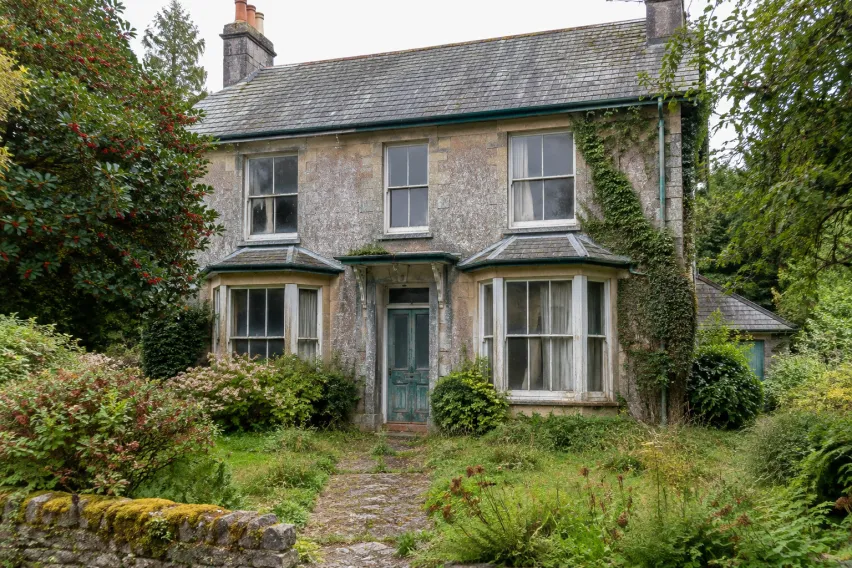
A house that has been empty for years can be an exciting prospect for a buyer. Perhaps it has a low guide price, plenty of potential and the opportunity to create a home or investment property from scratch.
But a long-term empty property can also come with problems that are not immediately obvious from photographs or a quick viewing.
If you are considering buying a house that has been unoccupied for a long period, particularly at auction, it is important to look beyond the cosmetic appearance and understand why the property has been empty, what work may be required and what additional costs you could face.
Why Has the Property Been Empty?
The first question to ask is perhaps the most obvious one: why has nobody been living there?
There can be perfectly innocent reasons. A property may have been inherited, left vacant while an owner moved into care, held as part of an estate or simply fallen into disrepair because the owner was unable or unwilling to carry out the necessary work.
In other cases, however, the reason may be more complicated.
The property could have been difficult to sell or let, suffered from structural problems, required extensive renovation or been affected by issues such as damp, subsidence, Japanese Knotweed or flooding.
If the property has been empty for several years, try to establish as much of its history as possible before bidding.
The auction legal pack may contain useful information, while the auctioneer or selling agent may be able to answer questions about the property's history and current condition.
What Can Happen to a House When It Is Left Empty?
A house generally does not improve with age when nobody is living in it.
Small maintenance problems can become much bigger ones when they are left unattended. A minor roof leak, for example, could eventually lead to water damage, timber decay, mould or damage to ceilings and walls.
Other potential problems include:
- Damp and mould
- Roof damage and missing tiles
- Blocked or damaged gutters and downpipes
- Rotten timber
- Cracked or damaged windows
- Frozen or leaking pipes
- Problems with heating and plumbing systems
- Electrical defects
- Overgrown gardens and vegetation
- Pest or vermin problems
- Structural movement
- Damage caused by vandals or squatters
None of these problems should automatically put you off buying. The important thing is to understand what you are dealing with before you commit to the purchase.
Don't Rely on Photographs Alone
Auction photographs can be useful for getting an initial impression of a property, but they cannot tell you everything.
An empty house may look relatively straightforward from the outside while requiring substantial work internally.
If possible, arrange a viewing and take a good look at the roof, walls, ceilings, floors, windows, doors, bathrooms, kitchen, heating system and signs of damp or water ingress.
Pay particular attention to areas where problems may be hidden, including roof spaces, basements, cellars, extensions and areas around chimneys.
If the property is in particularly poor condition, consider taking an experienced builder, surveyor or other suitably qualified professional with you.
Remember that access may be restricted at some auction properties, so establish in advance what you will actually be able to inspect.
Get a Survey if Appropriate
Buying at auction does not mean you should skip the usual property checks.
A survey can potentially identify problems that are not obvious during a normal viewing and may help you understand the likely scale of the work involved.
For a property that has been empty for many years, the condition of the building may be particularly important.
Depending on the property, you may want professional advice on issues such as structural movement, damp, roofing, timber defects, drainage or other specialist concerns.
The cost of obtaining professional advice before bidding could prove very small compared with discovering a major problem after you have bought the property.
Check the Utilities
Long-term empty properties can have systems that have not been used for months or even years.
Find out whether the electricity, gas and water supplies are connected and whether the heating system is operational.
Do not assume that because a property has a boiler, radiators and plumbing, everything is working.
Pipes can leak, boilers can fail and electrical installations can require upgrading.
If the property has been vacant through winter, ask whether appropriate precautions were taken to protect the plumbing and heating systems from freezing.
Look Carefully for Damp and Water Damage
Damp deserves particular attention in a property that has been empty for years.
Look for obvious signs such as staining, mould, peeling paint, damaged plaster and musty smells. But also consider less obvious causes.
Water could be entering through the roof, windows, gutters, external walls or defective plumbing.
A damp problem can sometimes be relatively straightforward to resolve, while in other cases it can indicate a much more significant issue.
Don't automatically assume that every damp patch needs an expensive damp-proofing treatment. Establish the underlying cause first.
Check for Structural Problems
A property that has been neglected for years may have suffered deterioration that requires more than cosmetic refurbishment.
Look for significant cracks, uneven floors, distorted door frames, bulging walls and other signs that may warrant further investigation.
Older properties can also have particular construction methods and materials that require specialist knowledge.
If something doesn't look right, don't simply budget for a cosmetic repair without finding out what is causing the problem.
Don't Forget the Roof
The roof is one of the most important parts of an empty property to check.
Missing or damaged tiles, defective flashing, blocked gutters and failing roof coverings can all allow water into the building.
Water ingress can then cause secondary damage to ceilings, walls, insulation, timber and electrical systems.
If the roof cannot be properly inspected from ground level, consider whether a professional inspection is appropriate before bidding.
What About the Garden?
An overgrown garden may simply be a sign that nobody has been living at the property.
But it is still worth looking carefully.
Trees and shrubs may have grown considerably during the years the property has been empty, while roots can potentially affect walls, drainage or other structures.
Japanese Knotweed and other invasive plants should also be considered where appropriate.
Our guide to Japanese Knotweed explains why buyers should take the issue seriously and why simply cutting the plant back is not necessarily an adequate solution.
Check the Property's History
A property that has been empty for years may have a history that is worth investigating.
Check the title information, planning history and any information contained within the auction legal pack.
Look for previous planning applications, restrictions, rights of way, covenants and other matters that could affect what you intend to do with the property.
If you are hoping to extend, convert, subdivide or otherwise change the property, don't assume that planning permission will automatically be granted simply because a similar property nearby has been altered.
Building regulations may also apply to renovation and alteration work.
Could Council Tax Be Higher?
Council Tax is another cost worth considering.
In England, local authorities can charge a premium on long-term empty homes. A property that has been empty and substantially unfurnished for at least one year can potentially be subject to an additional Council Tax charge, with the maximum premium increasing according to how long the property has remained empty.
The rules and any applicable exceptions can be important when assessing the ongoing cost of holding an empty property.
If you are buying a property that has been vacant for a long time, check with the relevant local authority rather than assuming that the Council Tax will simply be the standard charge.
Think About Insurance
Insurance can also be more complicated when a property has been empty for an extended period.
A standard home insurance policy may not provide the cover you expect once a property becomes unoccupied, particularly for a prolonged period.
Before completing the purchase, establish what insurance cover will be available and whether you need specialist unoccupied-property insurance while renovation work is carried out.
This is particularly important if the property is going to remain empty for a period after completion.
Check for Flooding and Other Environmental Risks
An empty property should be subjected to the same environmental checks as any other property — and arguably even more carefully if there is evidence of previous damage.
Check the property's location for potential flood risk, and investigate any visible signs of previous flooding or water damage.
You can use the Government's long-term flood-risk service for England as an initial check, although it does not establish whether an individual property is actually likely to flood.
For properties where flooding is a particular concern, historical flood information may also be worth investigating.
Our guide to Buying a Flood-Risk Property explains some of the checks buyers should consider.
Work Out the True Cost Before You Bid
This is perhaps the most important point of all.
A low guide price can make an empty property look like a bargain, but the purchase price is only part of the equation.
Before bidding, try to establish the likely cost of:
- Immediate repairs
- Making the property watertight and secure
- Heating and electrical work
- Plumbing repairs
- Damp treatment
- Roof repairs
- Windows and doors
- Kitchen and bathroom replacement
- General refurbishment
- Professional fees
- Planning or building regulation costs
- Insurance
- Council Tax and other ongoing costs
- Waste removal and garden clearance
- Contingency for unexpected problems
It is sensible to keep a contingency fund because older and neglected properties can reveal surprises once work begins.
And remember that your maximum bid should take the renovation costs into account — not just what you think the finished property might be worth.
Buying an Empty House at Auction
Long-term empty properties do appear at property auctions and can offer interesting opportunities for buyers who are prepared to take on renovation or refurbishment work.
However, the same auction rules apply as with any other lot.
Before bidding, read the full legal pack, arrange a viewing where possible, carry out your own due diligence and make sure you understand the auctioneer's conditions of sale.
A guide price is not a guarantee of the property's value or the eventual sale price, and buying at auction is a legally binding process once the lot is successfully sold under the relevant auction terms.
If you are unsure about a legal or financial matter, seek independent professional advice before bidding.
Is Buying a House That Has Been Empty for Years a Good Idea?
It can be — but it depends entirely on the property.
A long-term empty house could be a neglected property in need of a complete transformation, or it could hide expensive problems that make the project far more complicated than it first appears.
The key is not to be put off simply because a property has been empty.
Instead, find out why it has been empty, what condition it is in and how much it is realistically going to cost to bring it back into use.
If the numbers still work after you've allowed for the repairs, professional fees, ongoing costs and a sensible contingency, an empty property could provide an exciting opportunity to create a home or investment property from the ground up.
As with any auction purchase, the best protection is thorough research before you bid.
A neglected house may have been waiting for years for a new owner. Just make sure you know what you're taking on before you become that owner.
You might also be interested in: