Buying or selling a property at auction can present fantastic opportunities, but it's important to understand any issues that could affect its value, mortgageability or future sale. One concern that often raises questions is Japanese knotweed. While its presence doesn't necessarily mean a property should be avoided, it does require careful consideration. In this guide, we explain what Japanese knotweed is, how it can affect auction properties, and what buyers and sellers should know before making a decision.
What Is Japanese Knotweed?
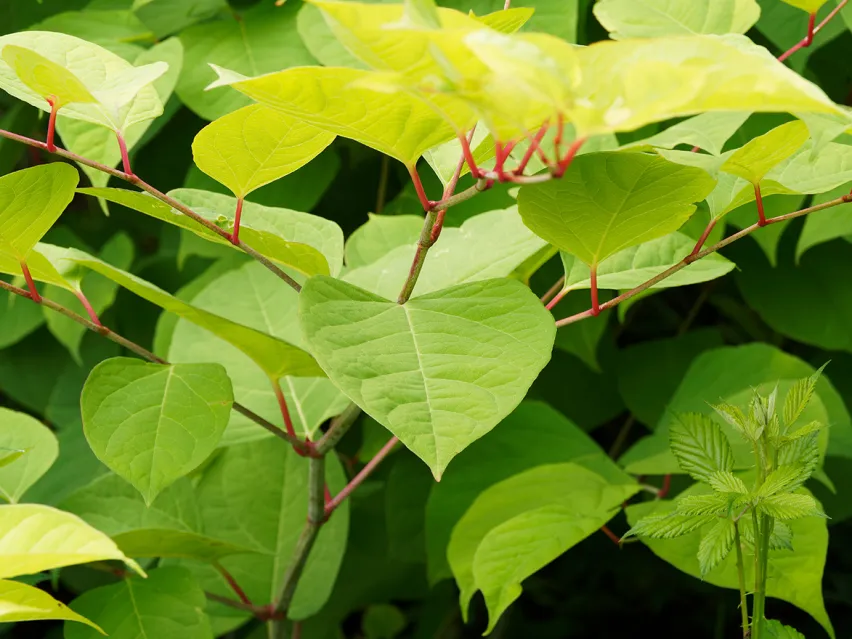
Japanese knotweed (Fallopia japonica) is a fast-growing invasive plant that was introduced to the UK during the 19th century. Although attractive in appearance, it is well known for its vigorous root system, which can spread underground and become difficult to eradicate if left untreated.
The plant is capable of growing through cracks in hard surfaces and can spread into neighbouring land, making it a significant issue for property owners if not properly managed.
Why Is Japanese Knotweed a Concern?
Japanese knotweed can affect a property's value, saleability and, in some cases, its mortgage prospects. Although recent guidance has helped reduce some of the stigma surrounding the plant, lenders and buyers still expect any infestation to be identified and appropriately managed.
Potential concerns include:
- Damage to gardens, walls and hard landscaping
- Costs associated with professional treatment
- Mortgage lender requirements
- Disclosure obligations when selling
- Potential impact on future resale
Can You Buy a Property with Japanese Knotweed at Auction?
Yes.
Many properties with Japanese knotweed are successfully sold at auction every year.
However, buyers should understand exactly what they are purchasing before bidding. Auction properties are generally sold as seen, making it essential to carry out thorough due diligence beforehand.
Before bidding you should:
- Read the legal pack carefully.
- Arrange a viewing.
- Consider instructing a surveyor if you have concerns.
- Check whether a professional treatment plan is already in place.
- Understand any ongoing maintenance obligations.
Can You Sell a Property with Japanese Knotweed?
Absolutely.
Having Japanese knotweed does not prevent a property from being sold.
In many cases, auction can be an effective route because buyers are often experienced investors, developers or renovators who understand the issue and factor any treatment costs into their bidding.
Sellers should always disclose the presence of Japanese knotweed honestly and provide any available documentation relating to treatment programmes or guarantees.
Will Japanese Knotweed Affect Getting a Mortgage?
Some mortgage lenders may require evidence that the knotweed is being professionally managed before agreeing to lend.
Requirements vary between lenders, but they may ask for:
- A professional survey.
- An approved treatment programme.
- Insurance-backed guarantees.
- Confirmation that the infestation is being monitored.
Cash buyers are generally unaffected by lending requirements, although they should still understand any future treatment responsibilities.
What Should Buyers Check Before Auction?
If Japanese knotweed is mentioned in the auction particulars or legal pack, consider:
- Reviewing all legal documentation.
- Viewing the property in person.
- Speaking to your solicitor before bidding.
- Obtaining specialist advice where appropriate.
- Factoring any treatment costs into your maximum bid.
Being fully informed before auction day helps avoid unexpected costs later.
Is Japanese Knotweed Always a Deal Breaker?
Not necessarily.
Modern treatment methods are highly effective, and many properties affected by Japanese knotweed continue to be bought, sold and mortgaged successfully.
The key is understanding the extent of the issue, ensuring appropriate treatment is in place where necessary, and making an informed purchasing decision.
Conclusion
Japanese knotweed should never be ignored, but neither should it automatically put buyers or sellers off. With proper investigation, professional advice and realistic expectations, properties affected by Japanese knotweed can still represent excellent opportunities at auction.
Whether you're buying your first auction property or selling an investment, understanding the facts will help you approach the process with confidence.